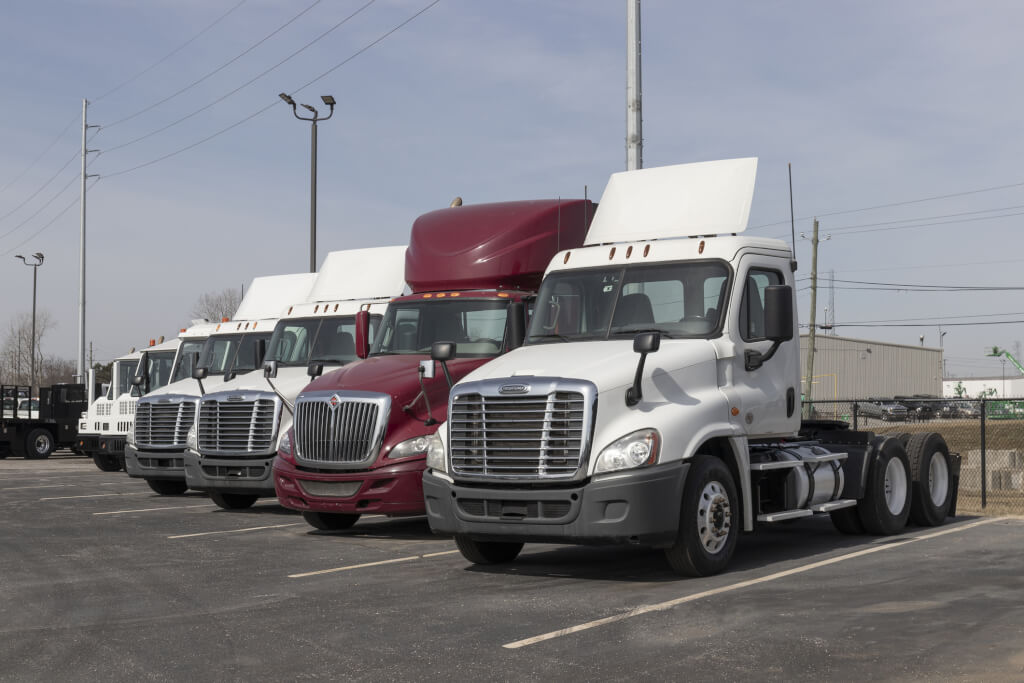
Diesel prices in the US have reached a historic high, which is already impacting the cost of food and other goods.

Diesel fuel prices in the US hit a new all-time high on September 4, with the average price reaching $5,85 per gallon for the first time. The rapid price increase is due to the six-month-long war with Iran, according to Associated Press.
Diesel fuel is used in most freight and logistics chains, so its rise automatically increases the cost of transporting a wide range of everyday goods.
One of the first and most noticeable impacts is seen in grocery stores, particularly in the vegetable, meat, and other perishable goods segments, which require frequent delivery and restocking. Furthermore, many agricultural operations, particularly harvesting, also rely on diesel-powered equipment.
On the subject: Trump has demanded that gas stations immediately lower their gas prices and is threatening them with 'serious problems' if they refuse.
Experts warn: the longer diesel remains expensive, the more the price increases will accumulate. Besides groceries, diesel logistics also power the delivery of clothing, cosmetics, furniture, and many other goods—they are transported by trucks, trains, and ships.
Rising prices could increase political pressure on Republicans ahead of the November midterm elections. Many voters are already dissatisfied with President Donald Trump's handling of the economy and the consequences of the war he started. Summer AP-NORC polls showed that two-thirds of American adults disapprove of his economic policies.
Gasoline is also rising in price, though at a slower pace than diesel. The average price is $4,15 per gallon, up from $3,20 a year ago. According to the AAA automobile club, the price of gasoline has never previously exceeded $4 per gallon on Labor Day.
The latest surge in diesel prices is explained by several factors. It is now almost 56% more expensive than before the US-Israel war with Iran. At the end of February, the average price was hovering around $3,76 per gallon. The price began to rise sharply following the rise in oil prices. The increase was caused by supply disruptions in the Middle East, particularly due to tanker traffic congestion in the strategically important Strait of Hormuz.
Prices fell briefly during the summer due to expectations of a possible peace settlement, but then rose again when hostilities between the US and Iran resumed. Brent crude, the international benchmark, traded above $95 per barrel on September 4, compared to around $70 before the war. Gas station prices traditionally follow oil prices with a slight lag.
The last price spike of comparable magnitude was seen in June 2022, when diesel fuel rose to nearly $5,82 per gallon several months after the war in Ukraine began and sanctions were imposed on Russia, a major oil producer.
Adjusted for inflation, historical peaks were even higher. Before the 2008 financial crisis, diesel fuel cost about $4,74 per gallon, which would be about $7,20 in 2026 dollars. The 2022 record (about $5,82) would be about $6,56 in current prices.
However, this doesn't ease the pressure from the current price increases, which are already impacting the economy and the cost of living. Drivers are also feeling the impact on gasoline: the average price of $4,15 per gallon is significantly higher than the $2,98 before the war with Iran, representing a price increase of over 39%, though still below the peak of nearly $5,02 in 2022.
Diesel fuel in the US is traditionally more expensive than gasoline, and its price often rises faster. This is due to higher demand and its key role in global trade. While households can reduce their travel when gasoline is expensive, there are few alternatives for freight transport.
Diesel fuel plays a central role in the entire food chain: it's used in agricultural machinery, fishing vessels, and trains and trucks that deliver produce to stores. According to the Independent Grocers Alliance, fuel prices account for approximately 15% to 30% of food production costs. Therefore, rising diesel prices almost inevitably lead to higher food prices, although the effect is gradual.
The first to rise in price are goods that require refrigeration during transportation, notes David Ortega, professor of food economics and policy at Michigan State University. In July, overall food prices in the US rose by 2,7% compared to last year, with seafood prices up 7% and fresh fruit prices up 4,9%.
Ortega emphasized that other factors also influence prices. For example, lettuce transportation costs increased in July, but due to the cyclosporosis outbreak and decreased demand, prices actually decreased.
The longer diesel prices remain high, the more pressure consumers will feel.
"In the early stages, a significant portion of the cost increase is absorbed within the supply chain through existing transportation contracts and retailer margins," Ortega explained. "But as contracts are renegotiated and fuel surcharges are introduced, an increasing share of the costs is passed on to retail prices."
Additional costs have already begun to show. In April, Amazon introduced a temporary 3,5% surcharge on fuel and logistics for some third-party sellers. Delivery services such as UPS, FedEx, and the US Postal Service, citing rising fuel prices, also introduced additional shipping fees.
Ajesh Kapoor, CEO and founder of trucking technology company SemiCab, notes that the industry is able to adapt to rising prices, but there are limits to this adaptation.
"The price of diesel fuel directly impacts virtually everything that moves by any mode of transport," he said.
The consequences extend far beyond consumer goods. Public transportation runs on diesel. Diesel generators are widely used as backup or emergency power sources, and in some remote regions, as the primary source of electricity.
Experts warn that the situation could worsen, particularly in African and Asian countries, which are more dependent on supplies from the Middle East and have already experienced the most severe energy shocks.
According to Global Petrol Prices, diesel fuel prices have increased by 90% in Nigeria since the end of February, by nearly 87% in Indonesia, and by 77% in Lebanon. Price variations between countries remain significant due to differences in fuel taxes and economic conditions. In Nigeria, the average price was $4,91 per gallon by the end of August. The highest prices were recorded in Hong Kong, where diesel fuel prices have increased by more than 25% since the war, averaging $17,73 per gallon on Monday.
You may be interested in: top New York news, stories of our immigrants and helpful tips about life in the Big Apple - read it all on ForumDaily New York
At the weekly Lloyd's List Intelligence briefing, Neil Atkinson, a senior research fellow at the National Center for Energy Analysis, noted that petroleum products, including diesel, are rising in price alongside declining physical inventories. He added that the global oil refining system is under significant strain.
“This cannot go on forever,” he said.
Read also on ForumDaily:
US credit card debt nears historic high as Americans struggle to keep up with spending
Nearly a third of Americans shoplift essential goods and groceries, driven by rising prices.
Subscribe to ForumDaily on Google NewsDo you want more important and interesting news about life in the USA and immigration to America? — support us donate! Also subscribe to our page Facebook. Select the “Priority in display” option and read us first. Also, don't forget to subscribe to our РєР ° РЅР ° Р »РІ Telegram and Instagram- there is a lot of interesting things there. And join thousands of readers ForumDaily New York — there you will find a lot of interesting and positive information about life in the metropolis.








Editor's Choice