6 of the most dangerous US nature parks where people often go missing

There's no single national ranking of state parks by the number of lost hikers: each state tracks search and rescue operations differently. However, in a number of parks, navigational difficulties and difficult terrain are officially considered risk factors. The most dangerous national parks are described by World Atlas.
The six parks discussed below are located in a wide variety of natural environments, from the forested shores of the Great Lakes to the high mountain passes, desert canyons, and rugged wilderness of Alaska.
People go there specifically in search of true wilderness. But in any of these places, one wrong step can lead to disaster.
On the subject: 9 US National Parks with Trails and Hikes for Senior Travelers
Porcupine Mountains Wilderness, Michigan
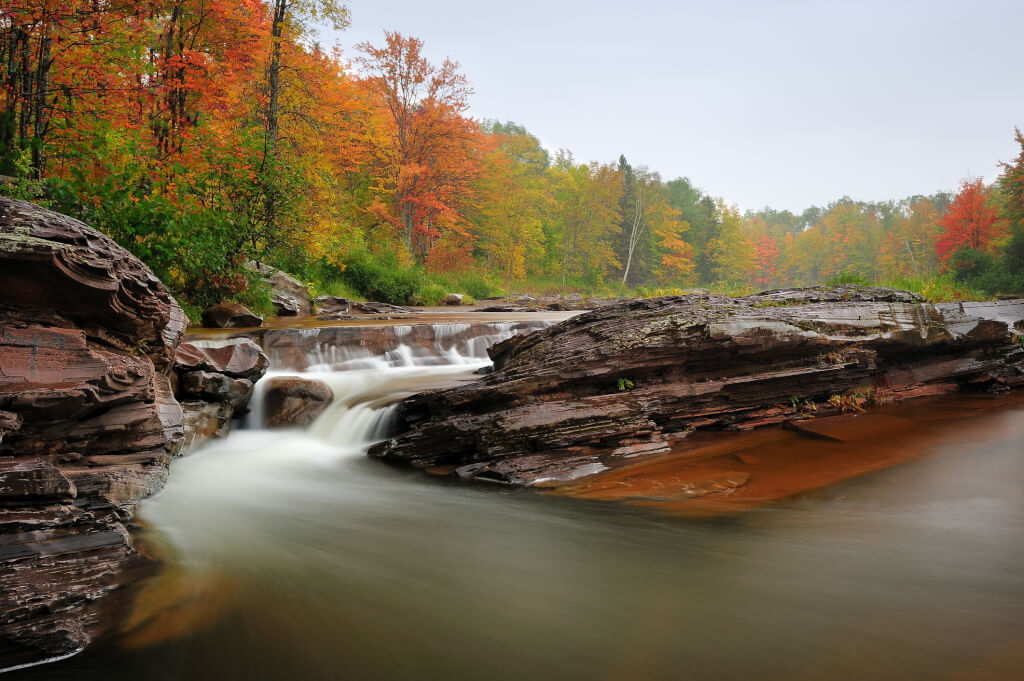
Photo: Michigannut | Dreamstime.com
Old-growth forests, the Lake Superior shoreline, waterfalls, and dozens of miles of rugged trails make Porcupine Mountains Wilderness Park one of Michigan's wildest corners. Locals call it "Porkys." The park covers approximately 25 hectares, and cell phone service is either spotty or completely absent in much of its territory.
It's precisely this remoteness that makes the park both attractive and dangerous. The Michigan Department of Natural Resources considers missing or stranded hikers a regular problem, and rangers coordinate search and rescue operations throughout the season.
It is estimated that in a typical year, there are approximately 12 to 18 search and rescue calls, with the number exceeding 50 during busier seasons. The park is visited by approximately 600 people annually, so even a small percentage of tourists requiring assistance represents a significant burden.
The reasons are clear: the trails here are steep, rocky, sometimes turning into mud or tangled with tree roots, and the weather changes rapidly. Once deep in the forest, a single mistake can leave a person several kilometers from the nearest road or trailhead.
The park rewards generously for your efforts, but you shouldn't go there unprepared. You should bring a map, sufficient water, sturdy footwear, and navigational aids, and share your route with someone in advance.
Big Bend Ranch, Texas
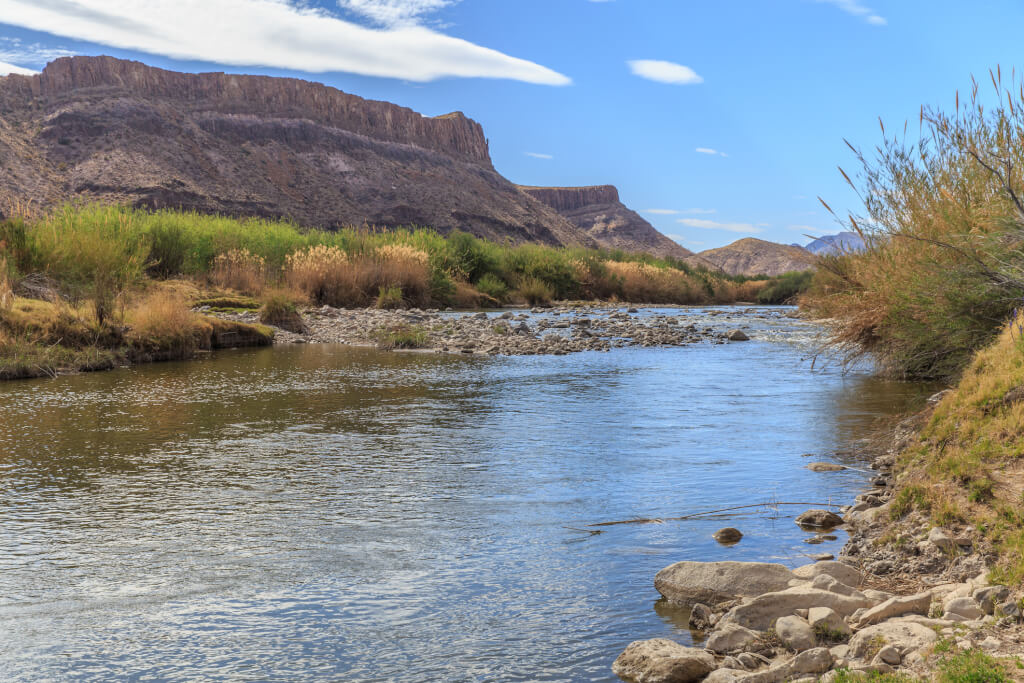
Photo: Triciadaniel | Dreamstime.com
Big Bend Ranch is a vast, rugged, and practically wild area in the far west of Texas along the Rio Grande River. It covers approximately 126 hectares, making it the largest park in the state system. It features mountains, deep canyons, and desert valleys, with elevations ranging from approximately 700 to over 1500 meters, so the terrain changes dramatically as you ascend.
In 2025, the park was visited by 12,451 people, compared to 13,963 the previous year. Given its remoteness and minimal infrastructure, the risk of getting lost is quite real. Many routes are barely marked, requiring navigation by stone cairns rather than clear signs.
The danger here is not theoretical. In November 2024, a woman, while cycling, became separated from her husband, took a wrong turn, and ended up walking nearly 20 miles through the wilderness. She was missing for over 30 hours before reaching the Sauceda Ranger Station and contacting rescuers.
Heat can quickly turn a difficult situation into a dangerous one. The Texas Parks and Wildlife Service warns that temperatures can reach 104 degrees Fahrenheit (40 degrees Celsius), with direct sun exacerbating the effects. Carry significantly more water than you think you need, have a reliable map, and don't rely on your phone.
Harriman, New York
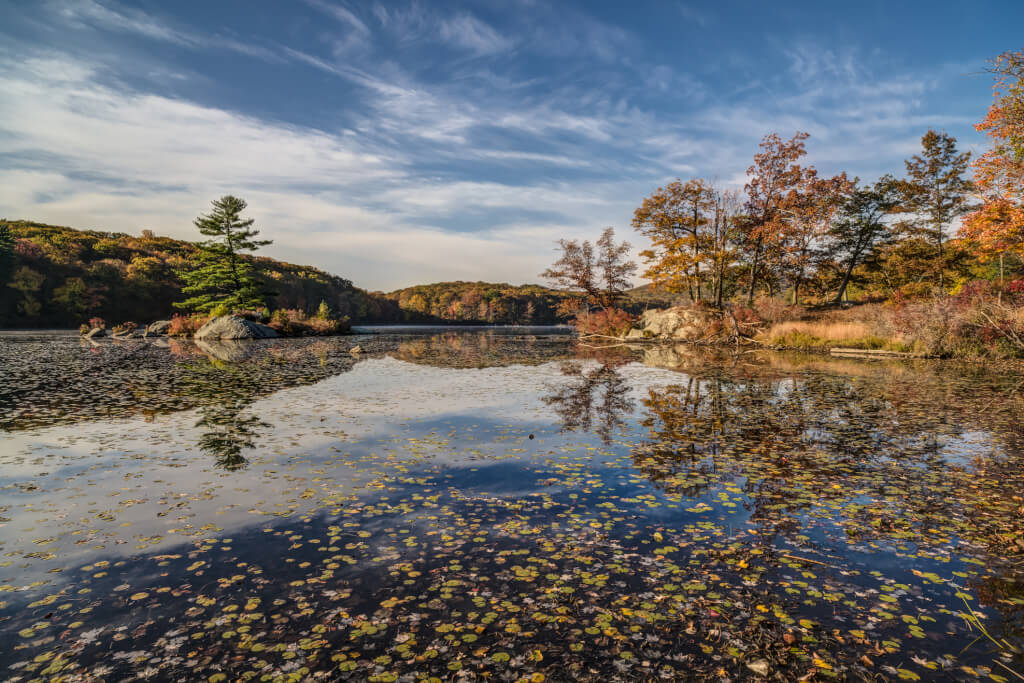
Photo: John Anderson | Dreamstime.com
About 50 kilometers from New York City lies Harriman Park, the second largest in the state, covering nearly 20 hectares. The park boasts 31 lakes and reservoirs, over 300 kilometers of hiking trails, and a section of the Appalachian Trail.
This length makes navigation challenging. Some trails have faded or confusing markings, and trail closures and changing conditions only add to the confusion. State officials don't publish specific statistics for the park, but in 2024, New York Department of Environmental Conservation rangers conducted 362 search and rescue operations across the state.
Rescue operations regularly occur within the park. In May 2026, three hikers, including a child, spent part of the night in the forest before being found by rescuers from Chaverim of Rockland. In March of that same year, the Matzil team helped locate two hikers who had failed to return on time and had to be searched for during the night.
The park's size and complex network of trails are attractive, but they require preparation. Before heading out, check the trail conditions, bring a reliable map and navigation devices, and keep your phone charged in case of emergency.
Big Basin Redwoods, California
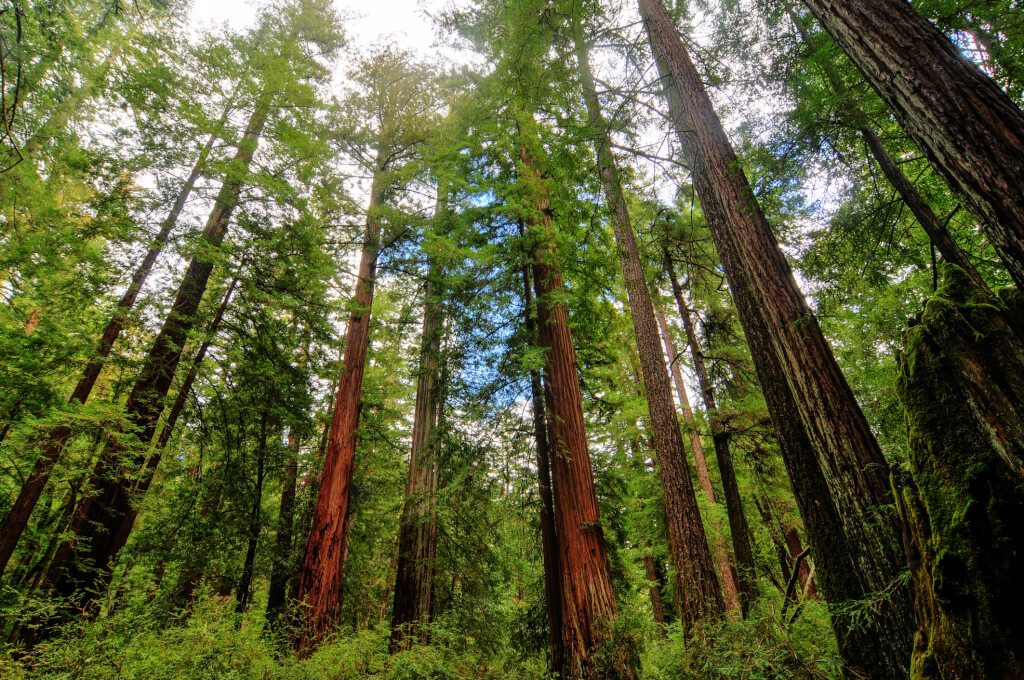
Photo: Demerzel21 | Dreamstime.com
Big Basin Redwoods National Park in California is known for its giant sequoias. Situated in the Santa Cruz Mountains, it is considered the oldest state park, established in 1902. Its coast redwoods, estimated to be between 1000 and 1800 years old, are a key attraction. Since July 2022, when the park partially reopened following the 2020 wildfires, it has welcomed over 230 visitors.
However, dense forests and large trees make navigation difficult. The park has a large, inaccessible area, variable trail conditions, and limited cell phone service. The California Parks and Recreation Administration recommends bringing a map, water, warm clothing, and a flashlight, and planning to return before sunset.
Serious incidents have occurred here before. In June 2024, hiker Lucas McClish was found after ten days in the Santa Cruz Mountains near the park. He was planning a short hike and lacked the necessary equipment.
In March 2025, three hikers, including two young children, became lost in the dark on a remote trail. The children reportedly began showing signs of hypothermia before being located by a California Highway Patrol helicopter.
There are no precise annual statistics on people getting lost in the park, but these cases demonstrate how quickly a mistake in choosing a route can become dangerous. Follow park administration recommendations and don't rely on phone service.
Crawford Notch, New Hampshire
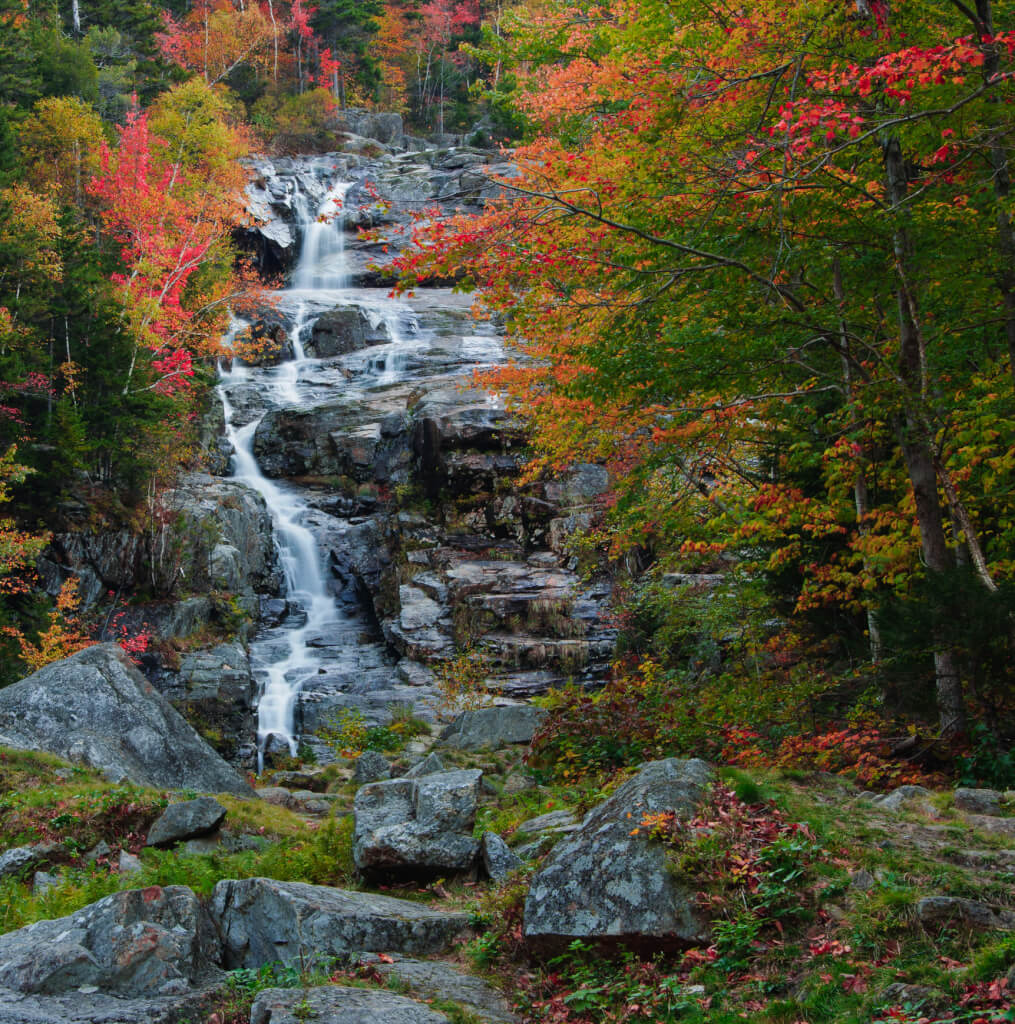
Photo: Ramblingman | Dreamstime.com
Crawford Notch State Park in New Hampshire is located in the White Mountains and is remote enough to offer a sense of complete isolation. It covers 2336 acres and offers hiking trails, waterfalls, fishing spots, wildlife, and panoramic views.
Crawford Notch is a mountain pass, and incidents of hikers failing to return on time or getting lost regularly lead to the New Hampshire Department of Fish and Game being called in. Steep terrain, rapidly changing weather, and poor signal can turn a simple hike into a serious challenge.
One recent incident occurred on July 19, 2026, when 27-year-old George Watson of Nashua failed to return from Mount Willard as expected. He was later able to call 911 from Mount Avalon Trail and recover on his own.
Popular trails around Mount Willard, Mount Avalon, and Arethusa Falls become challenging when hikers misjudge the terrain, miss forks in the trail, or fail to return before dark. If signal strength is poor, it's recommended to leave early and bring a paper map, flashlight, spare batteries, water, food, and warm clothing. The state recommends carrying a whistle without a ball: its sound carries farther than a shout and requires less effort, which is essential in case of injury or disorientation.
Wood Tikchik, Alaska
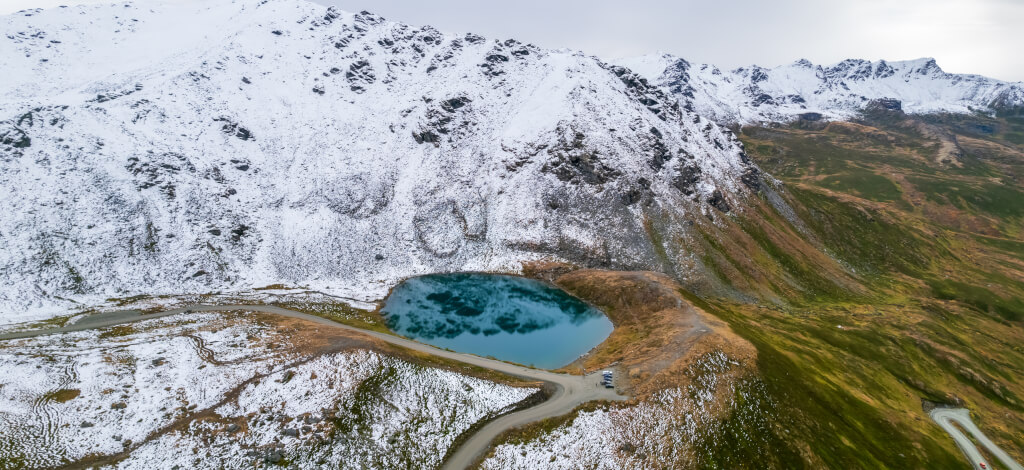
Photo: Snehitdesign | Dreamstime.com
Wood-Tikchik State Park in southwest Alaska is the ultimate wilderness destination. At nearly 650 hectares, it's the largest state park in the United States—comparable in size to the state of Delaware. This interconnected system of lakes, rivers, mountains, and open spaces attracts enthusiasts of rafting, fishing, hunting, and wildlife watching.
Its main feature is its isolation. There are no roads leading into the park, so access is primarily by boat, seaplane, or on foot, with air travel often the only practical option. Infrastructure is minimal, and visitors must rely primarily on their own resources. With virtually no designated trails and a limited staff, getting lost here can be a serious risk to life.
There are no reliable statistics on the number of people lost in this park, but the safety service's recommendations are very clear: even a slight delay or disorientation can be life-threatening. Rangers warn that the weather changes quickly, especially on open water, and recommend taking a GPS or topographic map, a compass, extra food, warm clothing, a raincoat, a first aid kit, and a personal radio beacon or satellite phone. In such a remote area, these are essential.
Wildlife requires preparation
All six parks share one common feature: a high risk of getting lost. Even the slightest navigational error can turn into a struggle for survival. Preparation reduces the risk in most cases. Before heading out, check the weather forecast, study the route, take a paper map, sufficient water, and navigation aids without cell phones. It's important to have enough time before dark and to leave your route information with someone. The wilderness is the reason people go there in search of adventure. Preparation is the key to returning safely.
Read also on ForumDaily:
11 US Cities Where It's Easy to Start a New Life
15 tips for those who are going to visit Yellowstone
Seven places in the US that could change your life
Subscribe to ForumDaily on Google NewsDo you want more important and interesting news about life in the USA and immigration to America? — support us donate! Also subscribe to our page Facebook. Select the “Priority in display” option and read us first. Also, don't forget to subscribe to our РєР ° РЅР ° Р »РІ Telegram and Instagram- there is a lot of interesting things there. And join thousands of readers ForumDaily New York — there you will find a lot of interesting and positive information about life in the metropolis.







Editor's Choice