Memphis residents are delivering food and medicine to migrants afraid to leave their homes because of ICE raids.

As immigration raids in the US have escalated, volunteers have emerged to deliver food, medicine, and essential supplies to immigrant families trapped in their homes for fear of being targeted by immigration police, writes The Guardian.
Last summer, several months before U.S. Immigration and Customs Enforcement (ICE) agents arrived in Memphis, local activists and Latino community leaders gathered to discuss how best to support their community. ICE's expansion under the Trump administration was just beginning: agents had already conducted raids in Los Angeles but had not yet launched operations in Chicago and Minneapolis.
Amber Hampton and another member of Indivisible Memphis, a volunteer branch of the national advocacy organization, attended the meeting. Although they spoke little Spanish, and many members of the Latino community spoke limited English, Hampton says they understood each other.
On the subject: From large-scale raids to targeted operations: Immigration police are changing their arrest tactics.
"There was a language barrier, but there were no emotional barriers," she said. "You could see the emotions in that room, feel the pain and fear without even understanding the words."
People became afraid to leave their homes, and when ICE began operations in Memphis a few months later, some parents stopped sending their children to school.
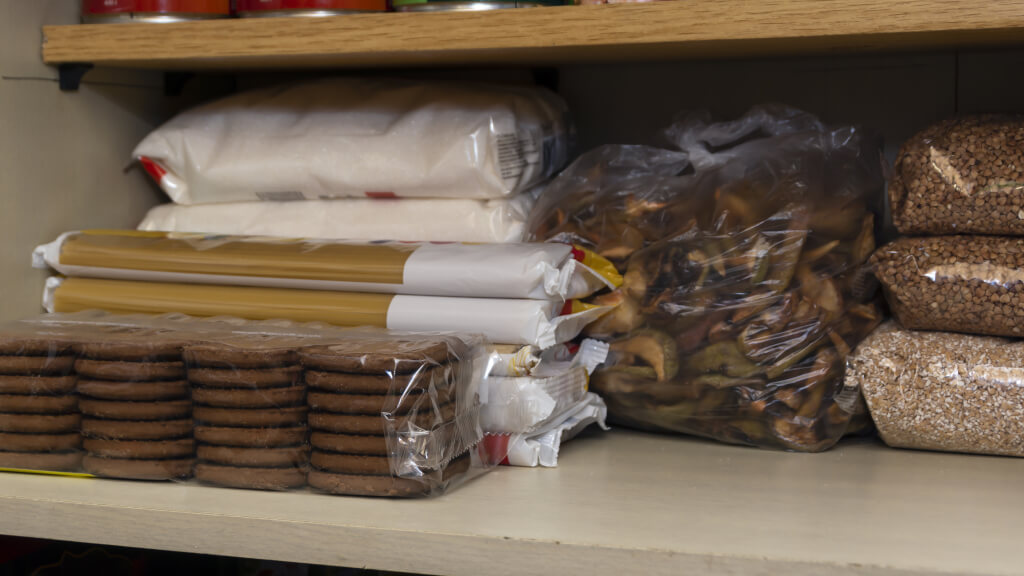
After that meeting, Indivisible Memphis members met again to discuss how they could help. They didn't want to act after the fact, arriving after the raids. Their goal was to provide assistance proactively. This is how the Immigrant Pantry initiative was born, providing groceries to those most in need. This allowed people to avoid risking going outside.
Some participants have donated their homes as warehouses for non-perishable food and essentials like hygiene products. Other volunteers, acting as delivery drivers, pick up these groceries, purchase additional fresh meat, vegetables, and dairy products from stores, and deliver them to homebound individuals.
"What if a mother's child is sick, has a fever, and needs medication? What if they don't have food because they're afraid to go to the store?" volunteer Jessica Miller asked. "The idea of people becoming prisoners in their own homes was unacceptable to us."
According to her, in the first months of operation, volunteers made about eight deliveries per week. In the first week after the National Guard's deployment to Memphis was announced in September, that number rose to nearly 30. Since then, the waiting list for assistance has at times reached 200 people.
The community responded to this challenge. While the delivery process initially consisted of about a dozen volunteers, it now numbers around 130. One of the volunteers created an app to simplify the process.
"This initiative is a true example of community at work," Hampton emphasized. "People from different backgrounds, faiths, and cultures came together to make this possible."
Volunteers include stay-at-home moms who deliver groceries while their children are at school, as well as doctors and lawyers who provide assistance. While their political views vary, not everyone shares Indivisible Memphis's position, they share a common goal: helping the people of Memphis.
The organizers strive to select products that take into account the cultural characteristics of the recipients. As Miller said, it's important that people in difficult situations can prepare their own meals.
"We wanted to make sure that, given what they were going through, they had at least something familiar and supportive," she explained.
The kit includes dried beans, canned tomatoes, Nido—a popular powdered milk for babies—and masa—corn flour used in many Latin American dishes. The aid isn't limited to shelf-stable items: fresh vegetables, meat, and dairy products are also delivered, along with chili peppers and avocados. Drivers are also available to assist those following a halal diet. On average, about $50 per family is spent on fresh produce. Diapers, baby wipes, shampoo, and other hygiene products are also donated.
You may be interested in: top New York news, stories of our immigrants, and helpful tips about life in the Big Apple - read it all on ForumDaily New York.
During one of her first deliveries, Miller heard a baby crying as she approached the apartment door. The mother said she had been trying to feed the baby sugar water for two days. Recently, a man contacted the organization, reporting that he couldn't feed his five-year-old daughter. Another call came from a doctor asking for help with a newborn discharged from the hospital after losing weight. Hampton says that about 80% of the recipients are families with children.
"It's hard to hear claims about crime reduction when the humanitarian crisis it causes is ignored," Hampton concluded. "Memphis is currently experiencing a serious humanitarian crisis within the community. We see it and work through it every day."
Read also on ForumDaily:
It will be easier for Ukrainians abroad to obtain a passport: what is important to know
ICE officers brutally detained a woman at San Francisco Airport, all in front of her child.
Subscribe to ForumDaily on Google NewsDo you want more important and interesting news about life in the USA and immigration to America? — support us donate! Also subscribe to our page Facebook. Select the “Priority in display” option and read us first. Also, don't forget to subscribe to our РєР ° РЅР ° Р »РІ Telegram and Instagram- there is a lot of interesting things there. And join thousands of readers ForumDaily New York — there you will find a lot of interesting and positive information about life in the metropolis.







Editor's Choice